






The Sound of Autumn
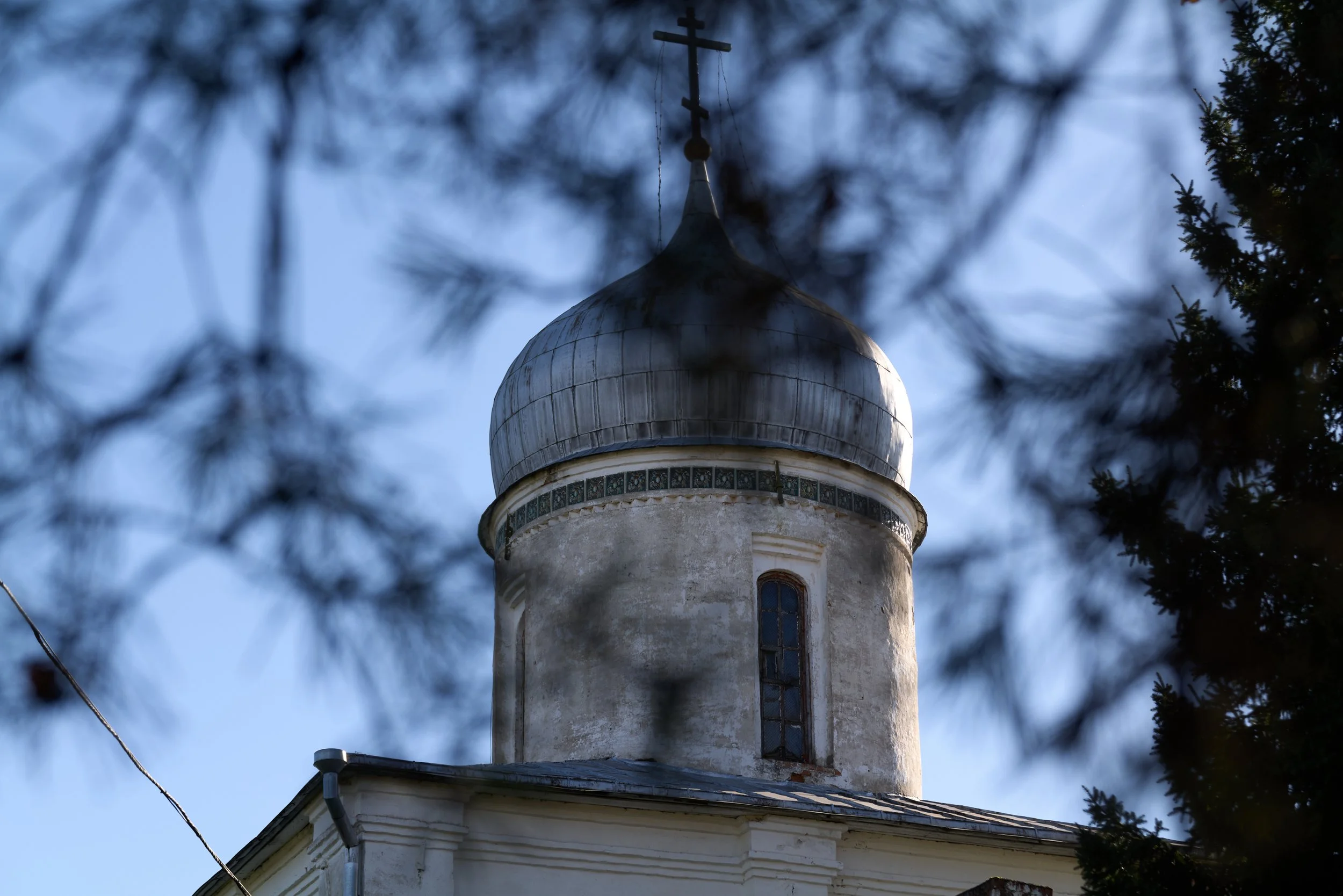
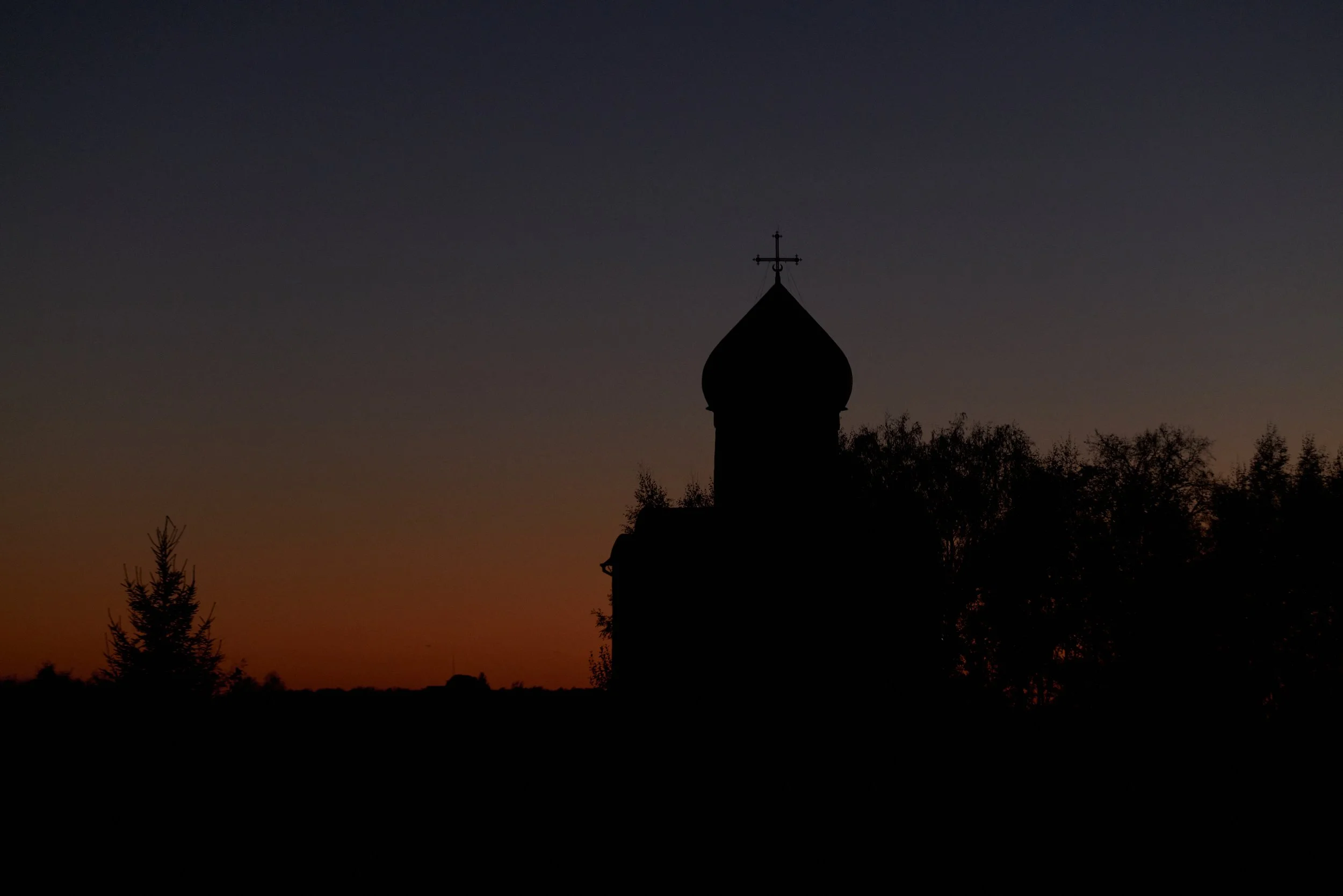
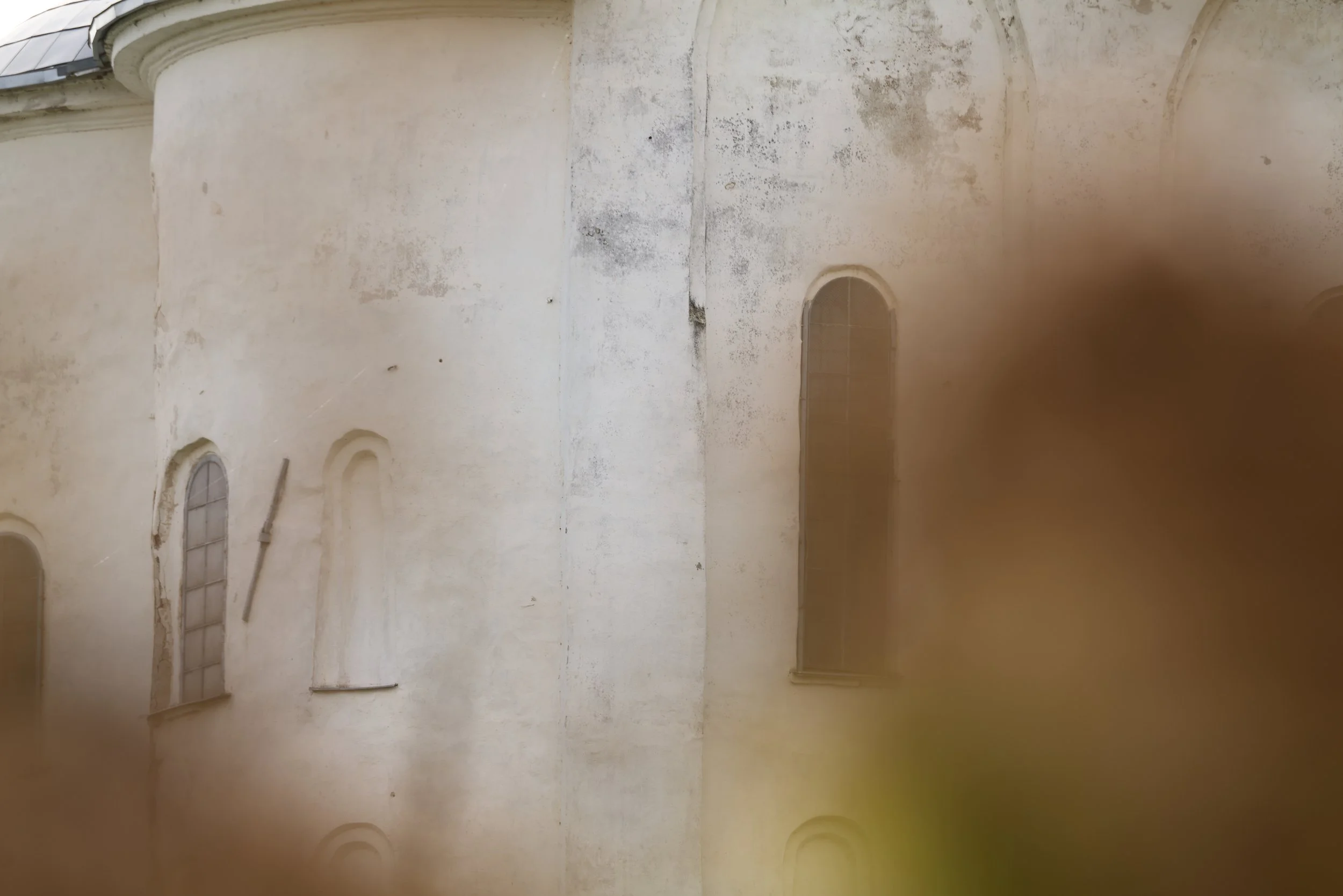
Nereditsa Church
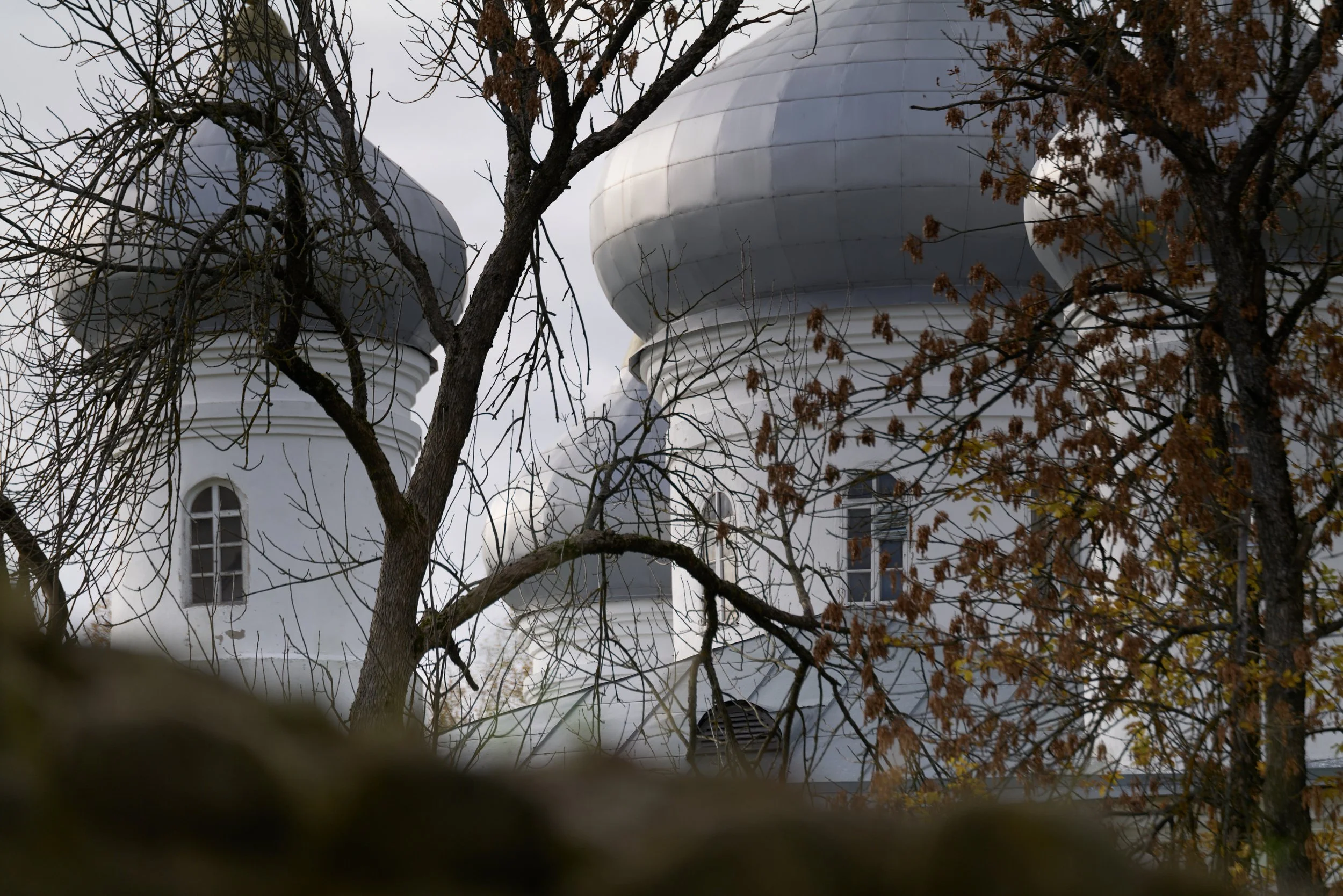
Znamensky Cathedral
[AFTER-VIDEO:Znamensky Cathedral] [TEXT:SOLO]
[STORY]
Inside Znamensky Cathedral
Silence and ancient frescoes inside Znamensky Cathedral.
I decided to photograph the interior with the 21mm Summilux lens on my Leica SL2. Even shooting handheld, I was struck by how naturally this combination captured the depth and volume of the space, without exaggerating its proportions.
A remarkable combination of camera and lens.
[AFTER:1] [TEXT:SOLO]
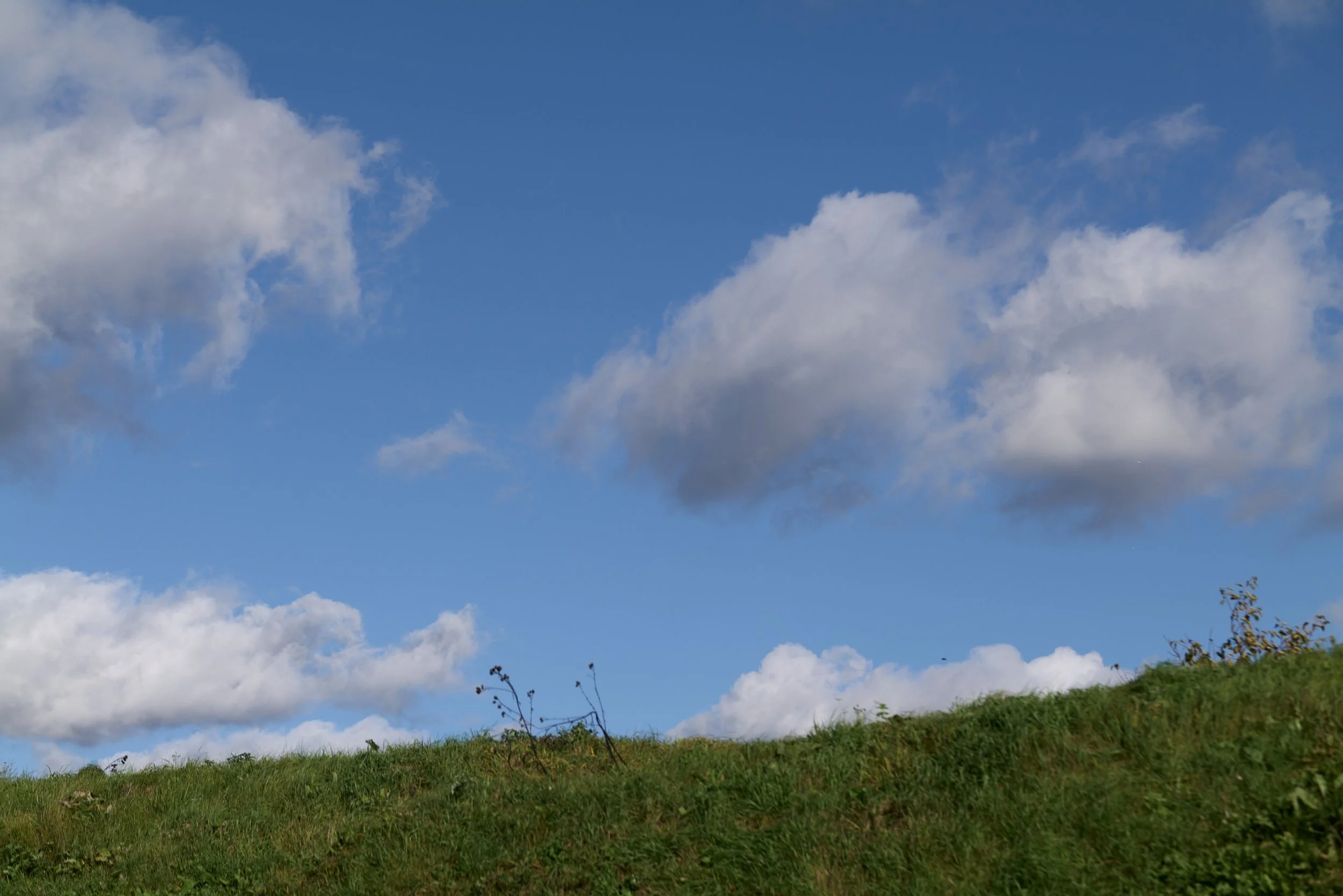
[ESSAY]Clouds Over the Novgorod Detinets
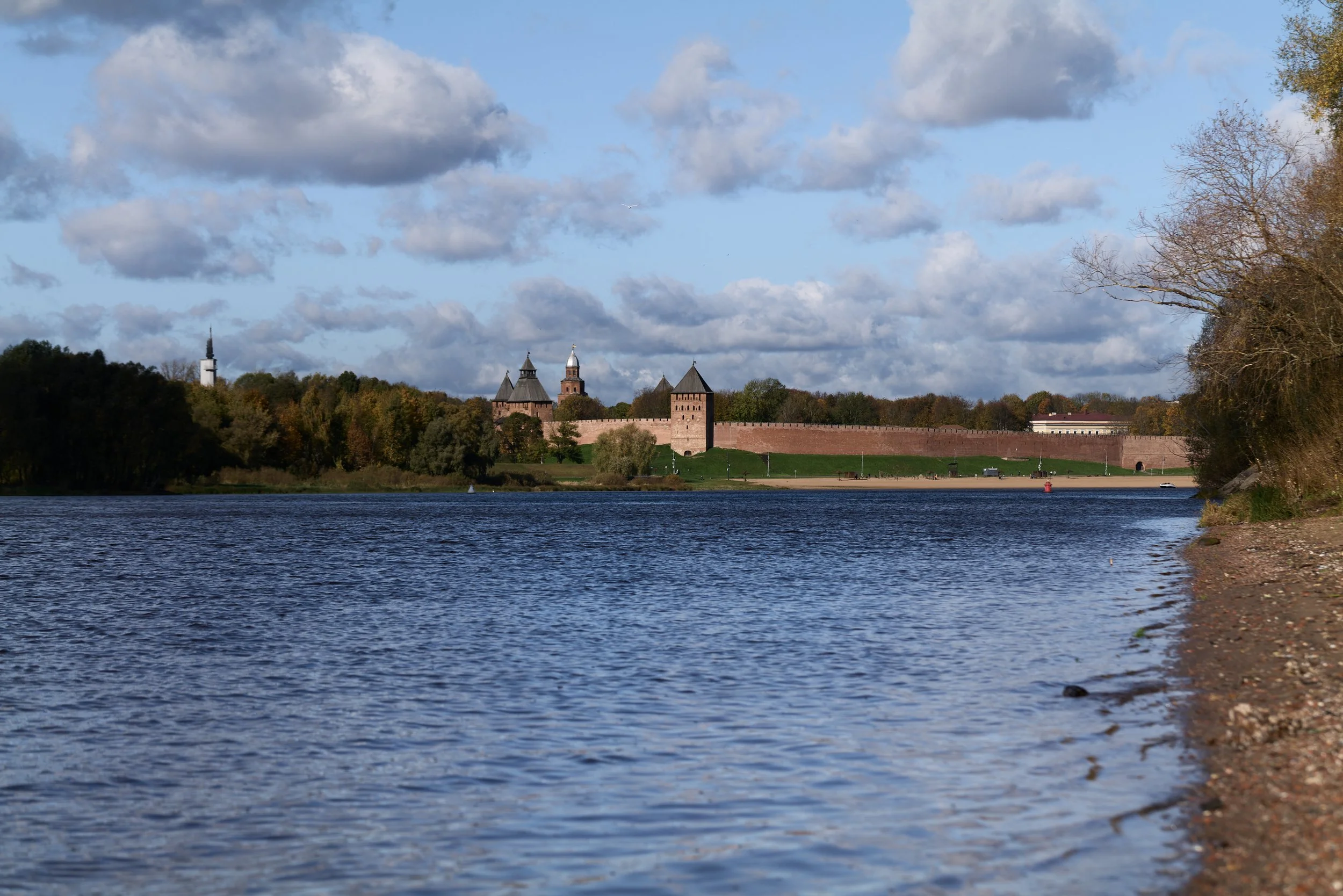
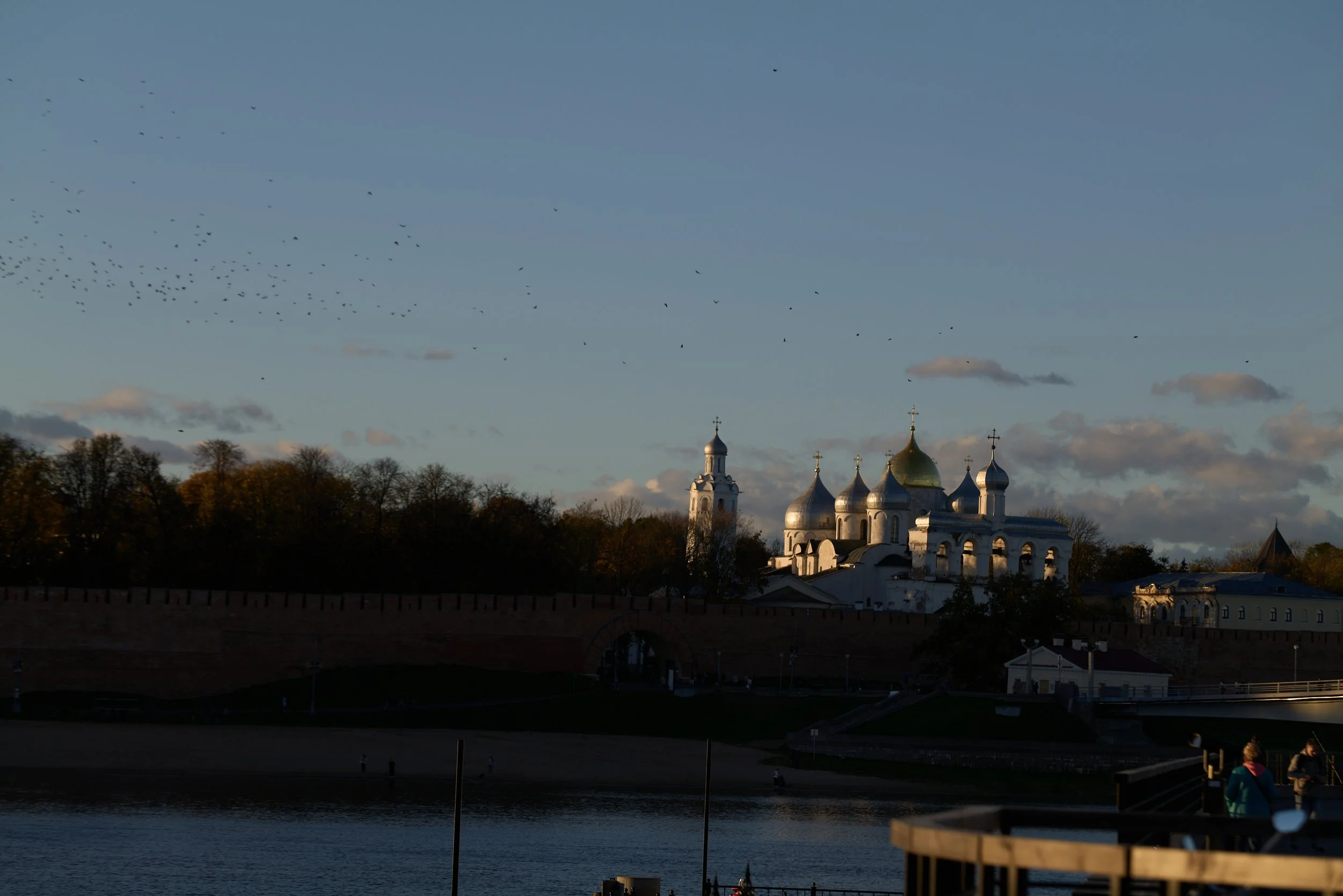
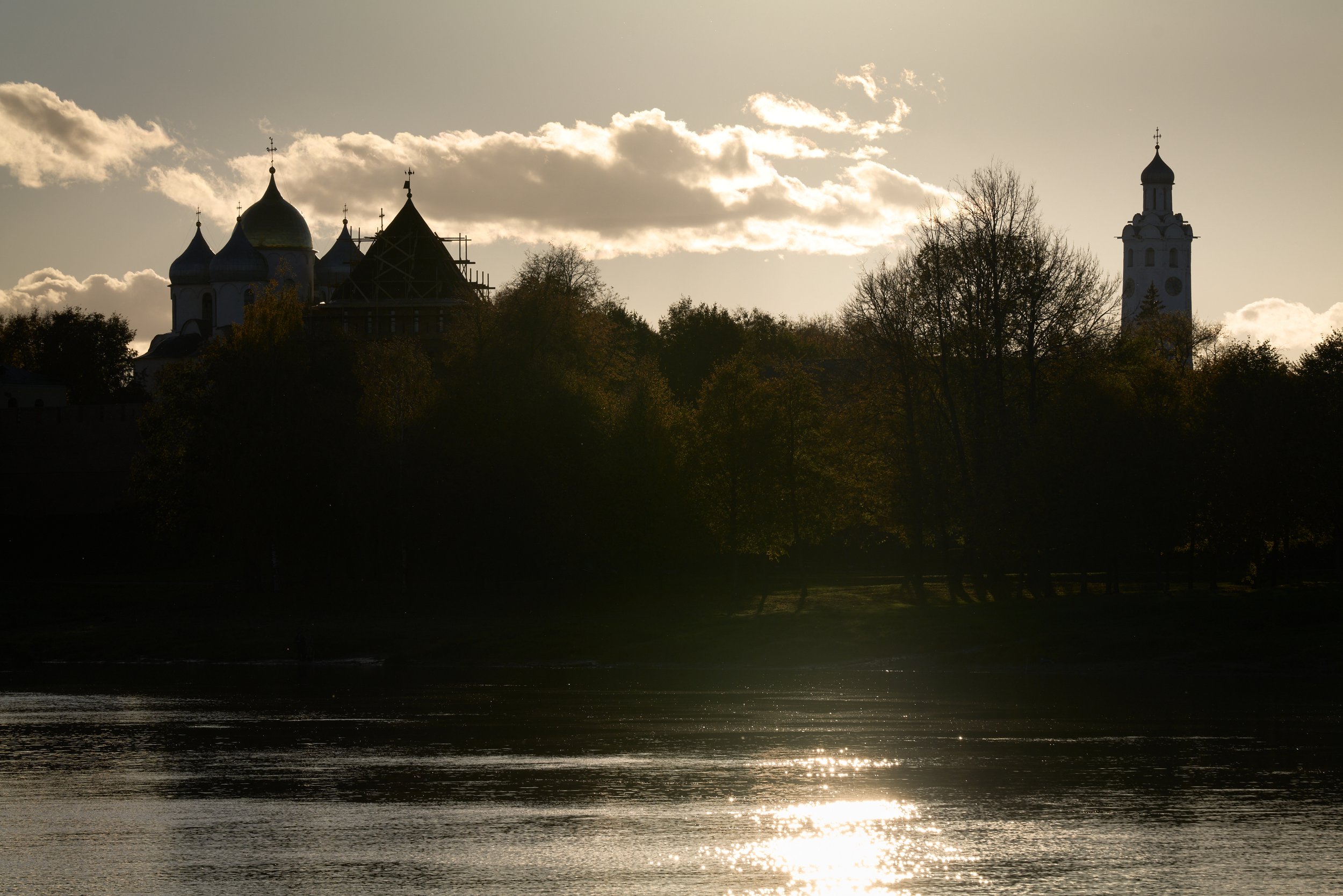
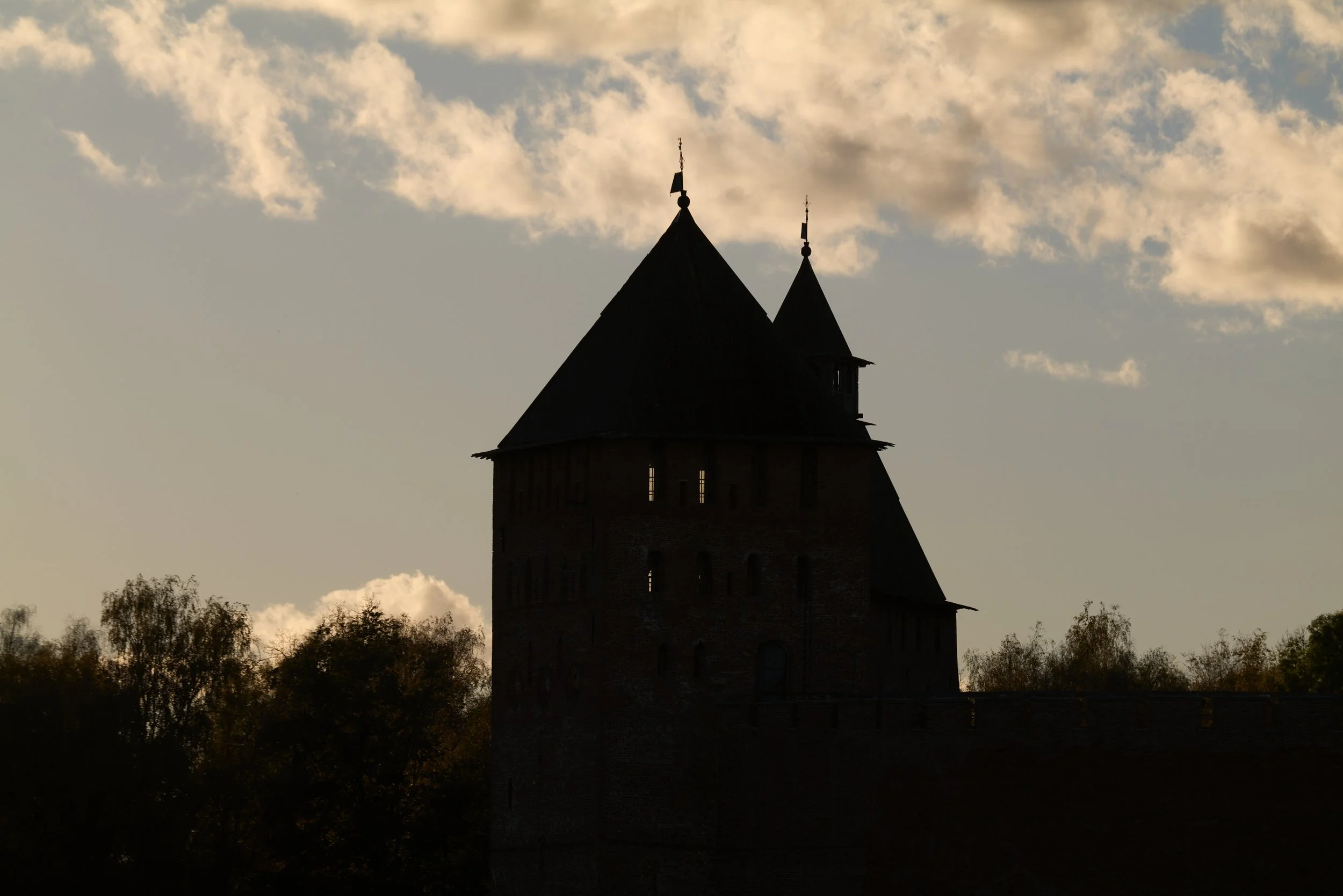
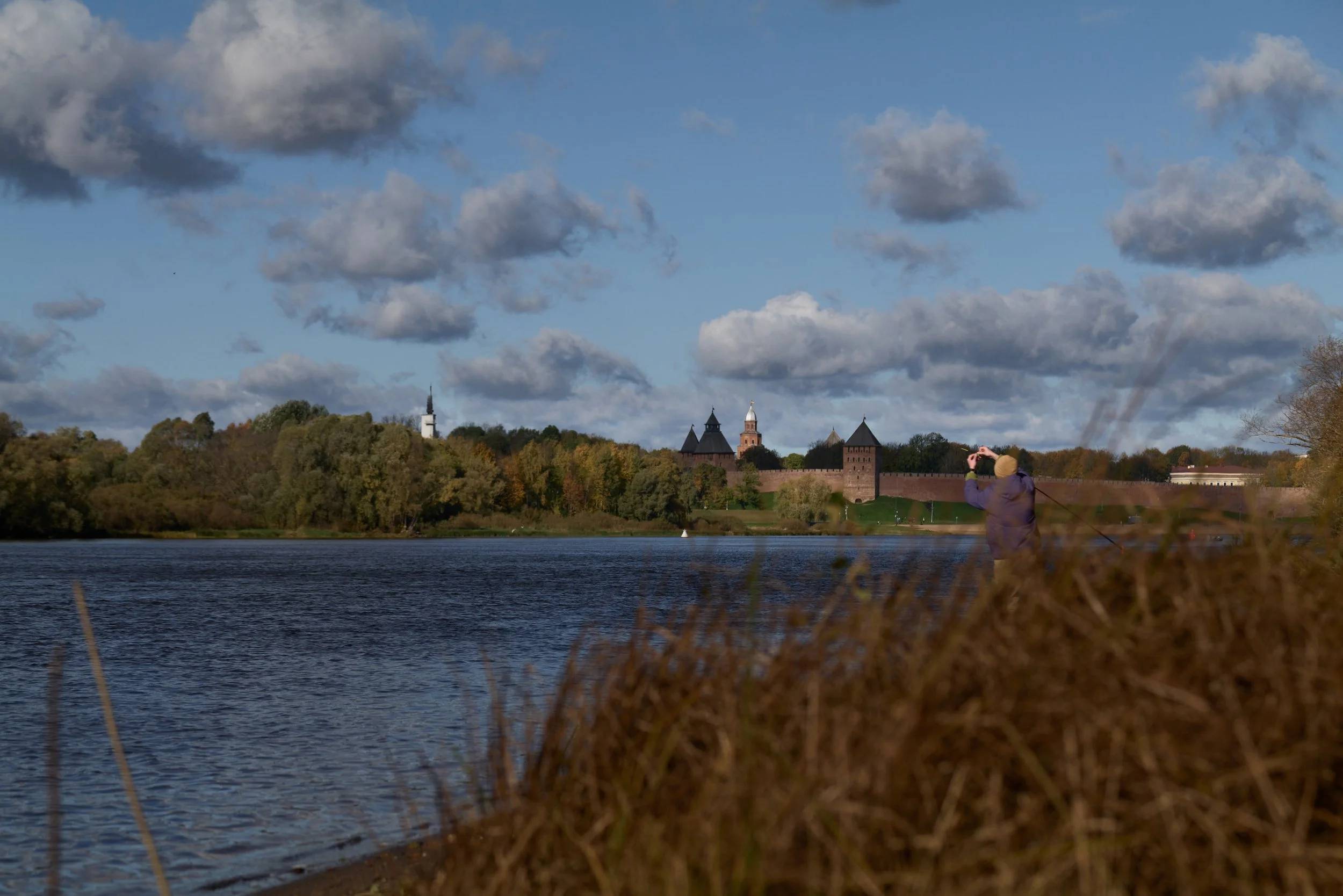
At noon, I stood on the opposite bank of the Volkhov River, looking towards the ancient walls of the Novgorod Kremlin.
The river was calm. The embankment was deserted. Autumn had brought a particular stillness to the city.
[AFTER:12] [TEXT:SOLO]
[STORY]
The Earthen Ramparts of Novgorod
These ancient earthen ramparts once formed part of the defensive fortifications of Novgorod's Outer Town, known in medieval chronicles as the Ostrog. Stretching for several kilometres, they protected the city behind an imposing system of earthworks, walls and moats.
Today, the surviving ramparts belong to the UNESCO World Heritage site of Historic Monuments of Novgorod and Surroundings.
It is an extraordinary place for a walk at dawn, when the city is still asleep and you can listen to the silence of centuries.
VELIKY NOVGOROD, RUSSIA
[AFTER:24] [TEXT:RIGHT]
[STORY]
Rurikovo Gorodishche Across the Volkhov
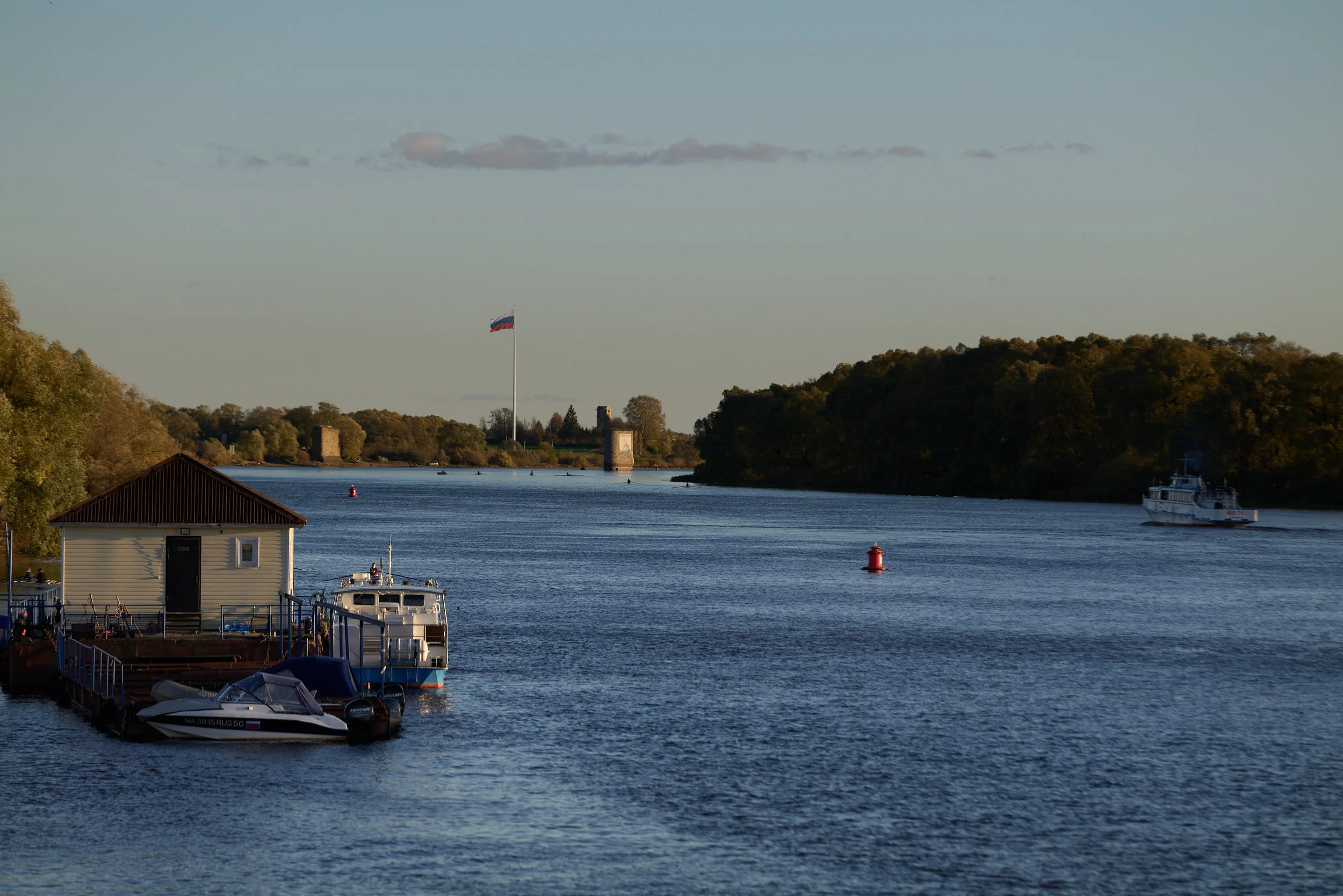
From the boat station of the Olympic Reserve Sports School, I photographed Rurikovo Gorodishche across the Volkhov River. This ancient settlement, associated with the origins of Novgorod, was once a residence of the city's princes and the Rurik dynasty.
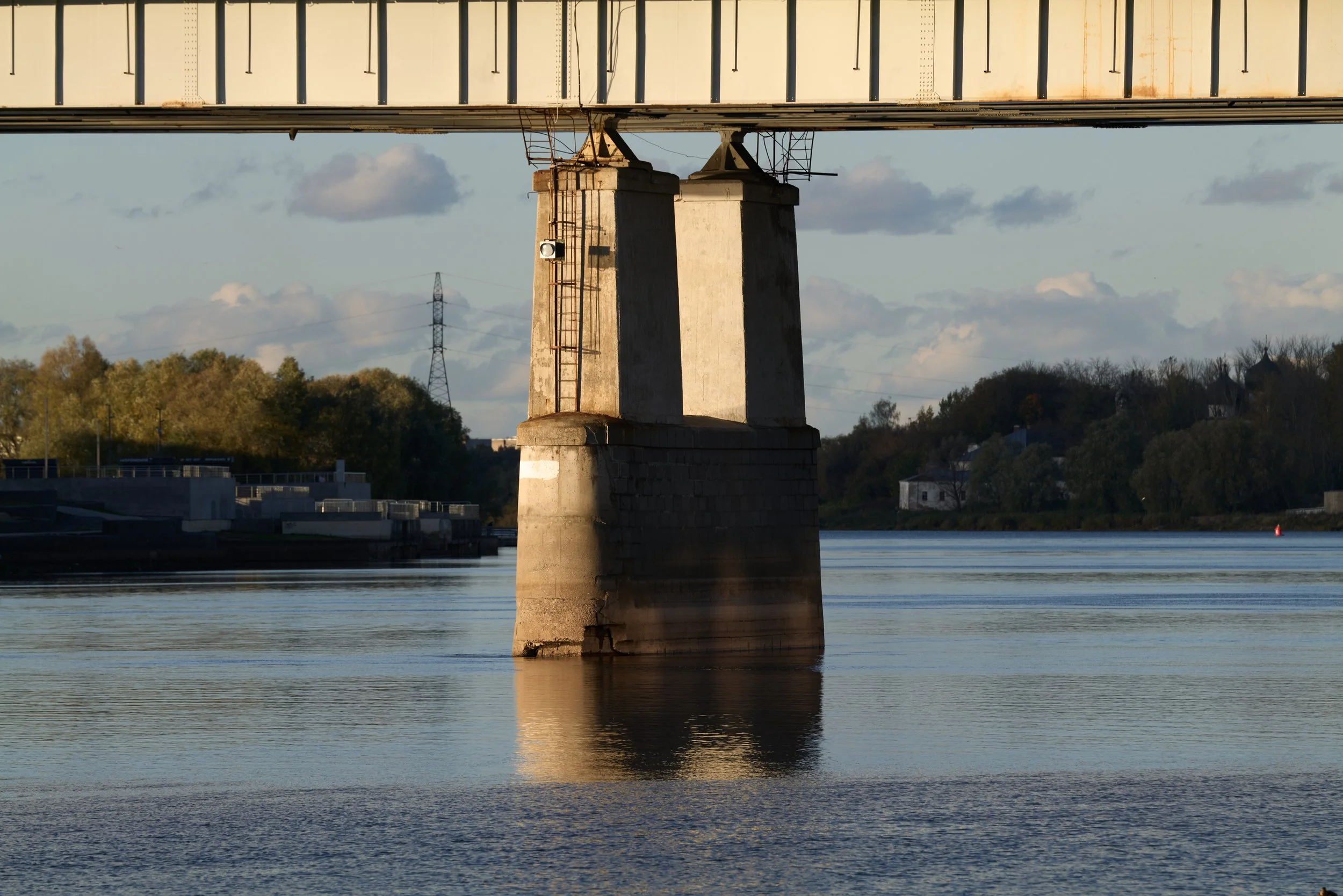
In the river stands one of the stone piers of an unfinished railway bridge. Construction began in 1916, as part of a planned railway connecting Petrograd with Novgorod and extending farther south. The project was never completed.
It is a remarkable place where two very different periods of history meet in a single landscape: the remains of a medieval princely residence and the abandoned ambitions of the early twentieth century.
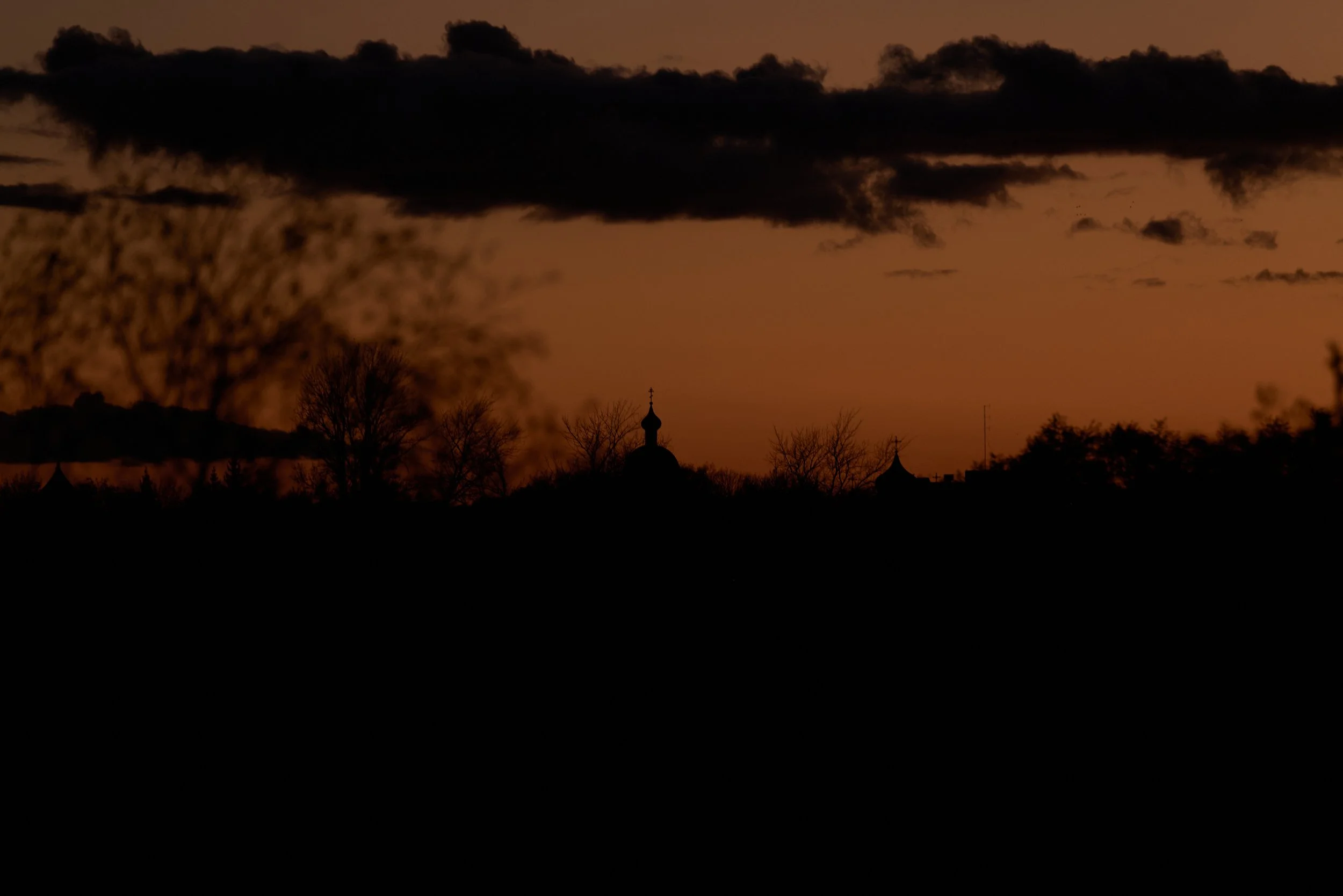
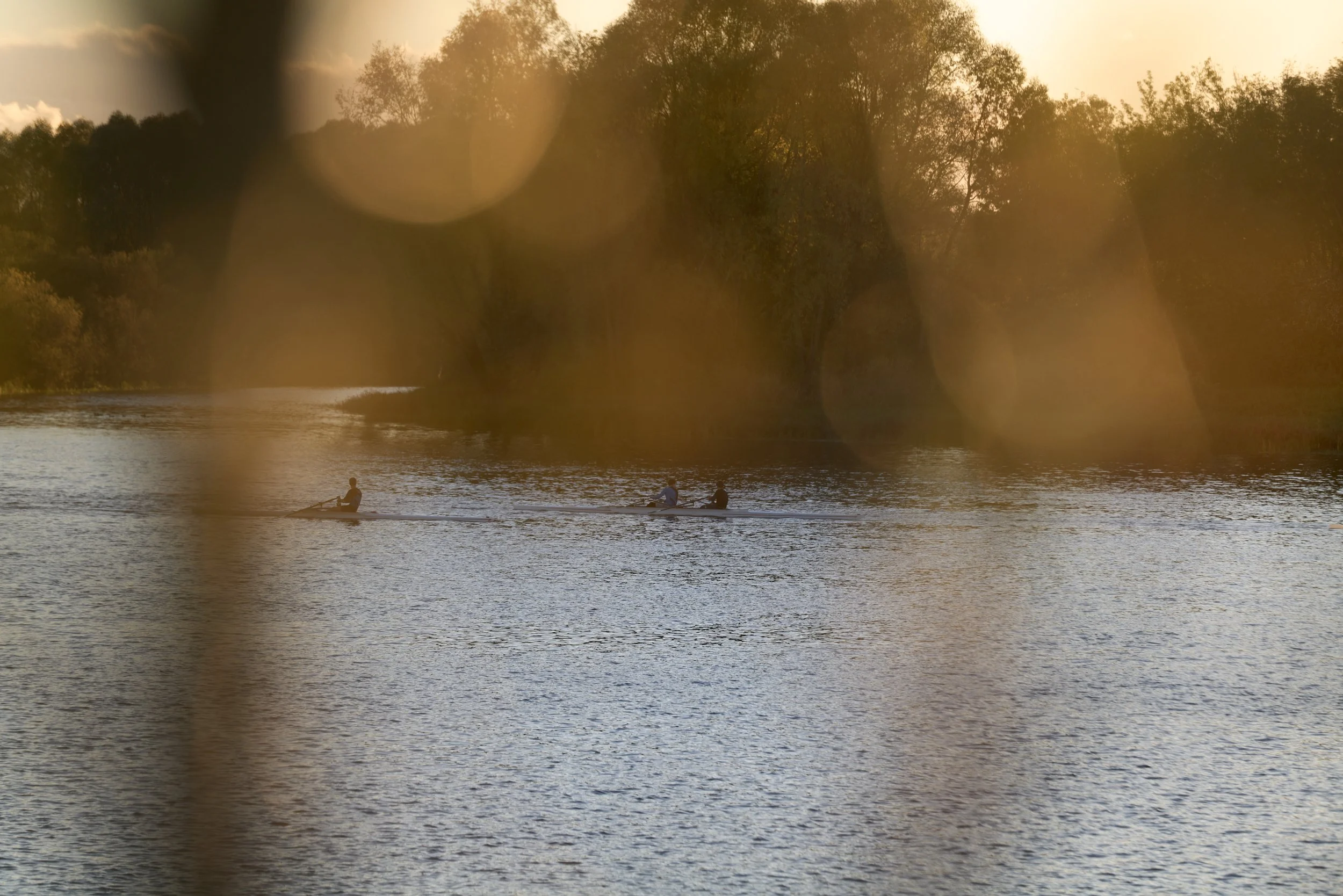
[AFTER:18][TEXT:FULL][QUOTE]At sunset, athletes from a rowing section in Novgorod were finishing their training on the river. Some were already returning their boats to the base, while three rowers continued their evening session in the golden light.
The scene carried a particular stillness: the end of the day, the calm water and the steady rhythm of the training.
[AFTER:27][TEXT:FULL]
[ESSAY]
A Different Distance
While creating this photographic series during my visit to Veliky Novgorod in October 2026, I found myself reflecting on how profoundly the space around us can be transformed by road signs, road markings, information boards, power lines and street lighting.
To my surprise, I discovered that Veliky Novgorod and the surrounding Novgorod region had become crowded with an enormous number of road signs and information boards.
There was a time when you could drive from the city towards the surrounding villages and simply contemplate the landscape, without the constant intrusion of modern infrastructure into its historical character. Without this visual noise, it was easier to immerse yourself in the space unfolding before you, to imagine what these places might have looked like five or six hundred years ago, and to reconstruct scenes from the past in your imagination.
Today, this has become increasingly difficult. Even finding a clean photographic composition of an ancient church or cathedral can be a challenge.
I must admit that I felt somewhat disheartened by what I saw. Nevertheless, I decided to continue photographing. The result of that journey is the series presented here.
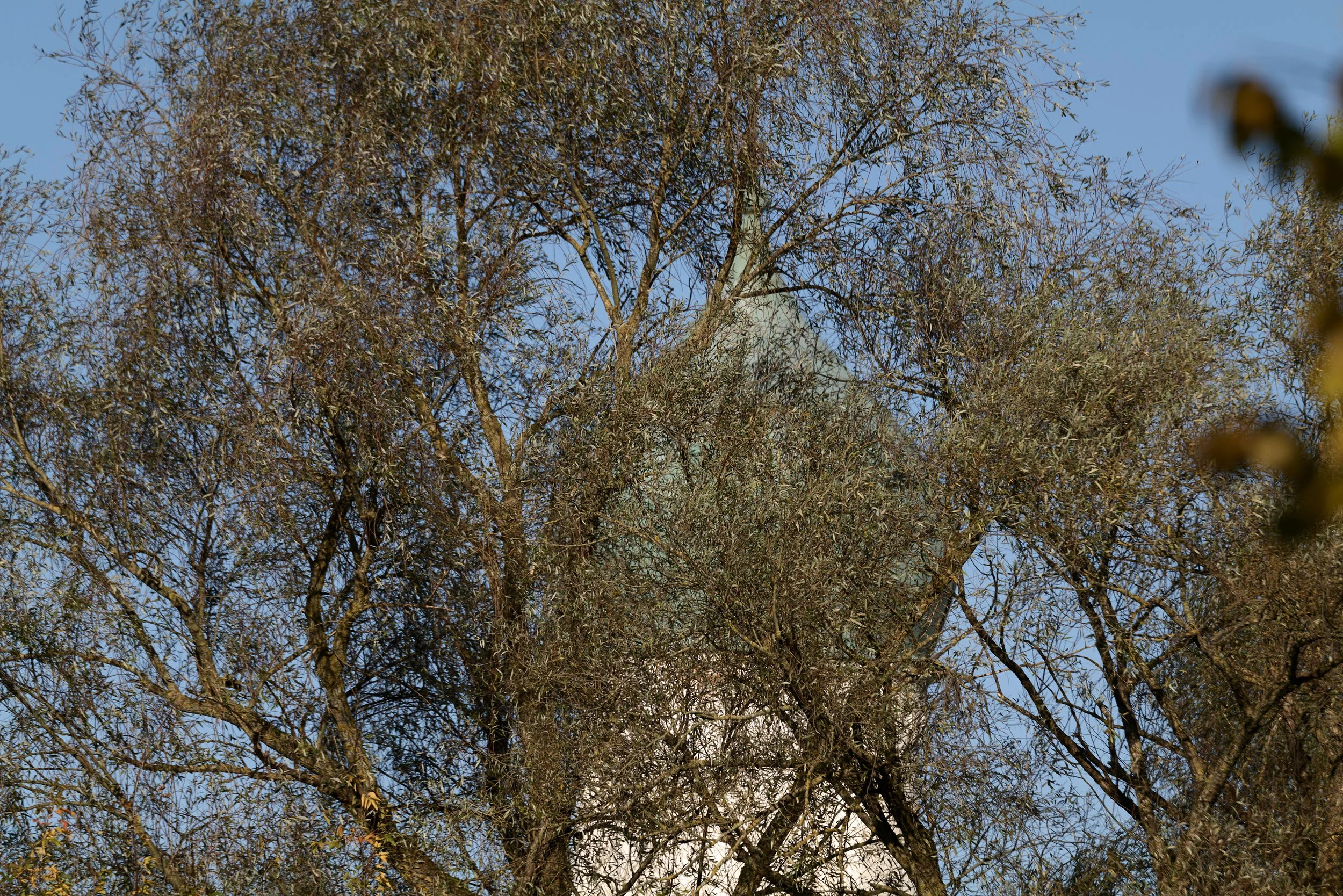
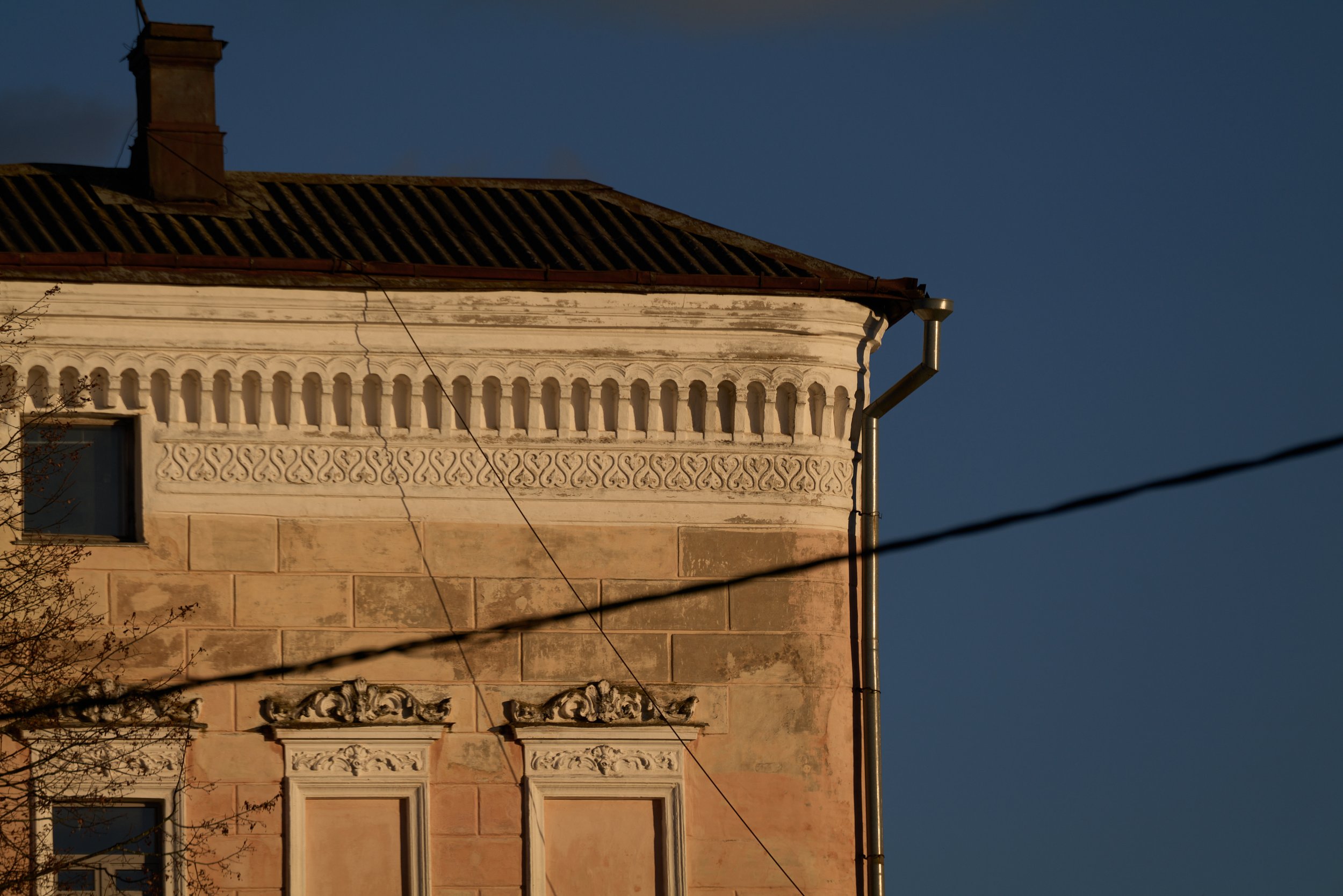
During this visit, I used the Leica APO-Vario-Elmarit-SL 90–280mm telephoto zoom lens to explore the city in a way I had never attempted before. It allowed me to exclude unnecessary details from the frame or move them away from the centre of attention.
When you know a place intimately, a telephoto lens can become a remarkable instrument for looking beyond the visual noise that has increasingly entered many of our country's historic landscapes.
I believe that places of cultural and historical significance deserve more thoughtful rules governing the placement of road signs, information boards and other elements of modern infrastructure. These necessary additions should not destroy the natural character of a place or interfere with its historical landscape.
Despite these limitations, a new photographic series emerged. It allowed me to discover a different way of seeing a familiar city — a city I have known and loved for many years.
I had never before used a telephoto lens in quite this way to study a city. Now I realise that a long focal length may be one of the few instruments that allows us to distance ourselves from the visual noise of everyday reality.
Thank you for taking the time to explore this series.